Memory-Based Gameplay
The game shows a sequence of flag directions, then asks the player to repeat the pattern using the arrow keys. Each correct round increases the score and continues the sequence.
Game Development · Grade 12 Final
A Grade 12 computer science final project recreating the classic Flagman memory game with ASCII art, difficulty levels, leaderboards, custom sounds, and Nintendo-inspired character sprites.
Flagman was my Grade 12 computer science final project. The goal was to recreate the classic Flagman memory game, where the player watches a sequence of flag directions and then repeats the pattern using the arrow keys.
For my version, I added a Nintendo-inspired theme using ASCII art characters, custom sounds, music, difficulty selection, lives, scoring, and a simple leaderboard. It was a fun project because it combined programming logic with a lot of small presentation details.
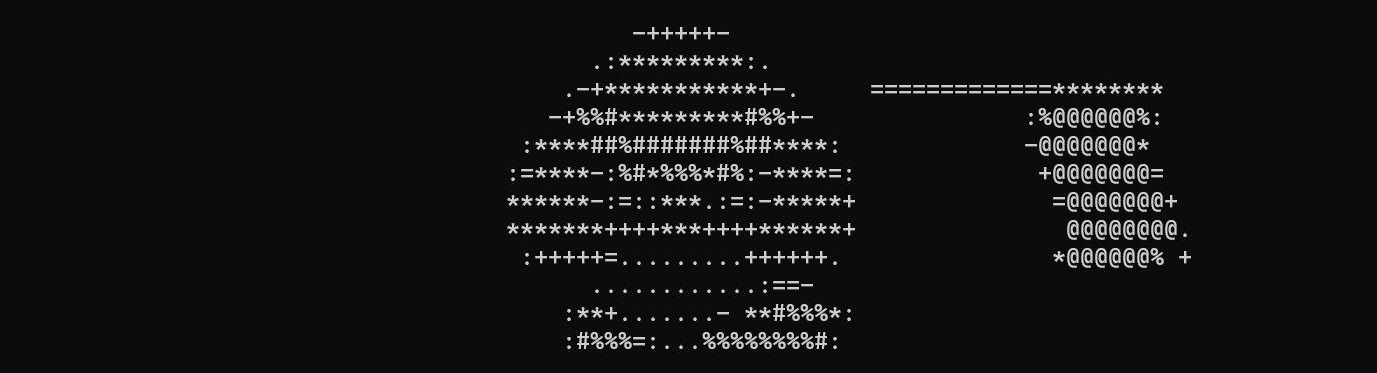
After selecting a difficulty, the game displays a character sprite that shows a sequence of flag directions. The player has to memorize the pattern, then repeat it using the arrow keys. If the player enters the wrong direction, they lose a life and the sequence is shown again. Each difficulty changes the character, the number of new flags added at a time, and how challenging the memory sequence becomes. Once the player loses all lives, the run ends and the score is added to the leaderboard.
Menus, difficulty selection, leaderboard, and gameplay screens from the Flagman project.
The game shows a sequence of flag directions, then asks the player to repeat the pattern using the arrow keys. Each correct round increases the score and continues the sequence.
The game includes five difficulty levels: Easy, Medium, Hard, Difficult, and Impossible. Each one uses a different character sprite and adds more new flags to memorize at a time.
I added custom sounds and music to make the game feel more complete, along with a simple leaderboard that saved and displayed scores from previous attempts.
Flagman helped me practice game loops, user input, scoring, lives, difficulty settings, file-based score storage, and sequence generation. It also gave me more experience making a program feel structured from the main menu to the final game-over state.
Looking back, Flagman was a simple but really fun project. I liked that it was small enough to finish, but still had room for personality through the different characters, music, menus, and difficulty levels.